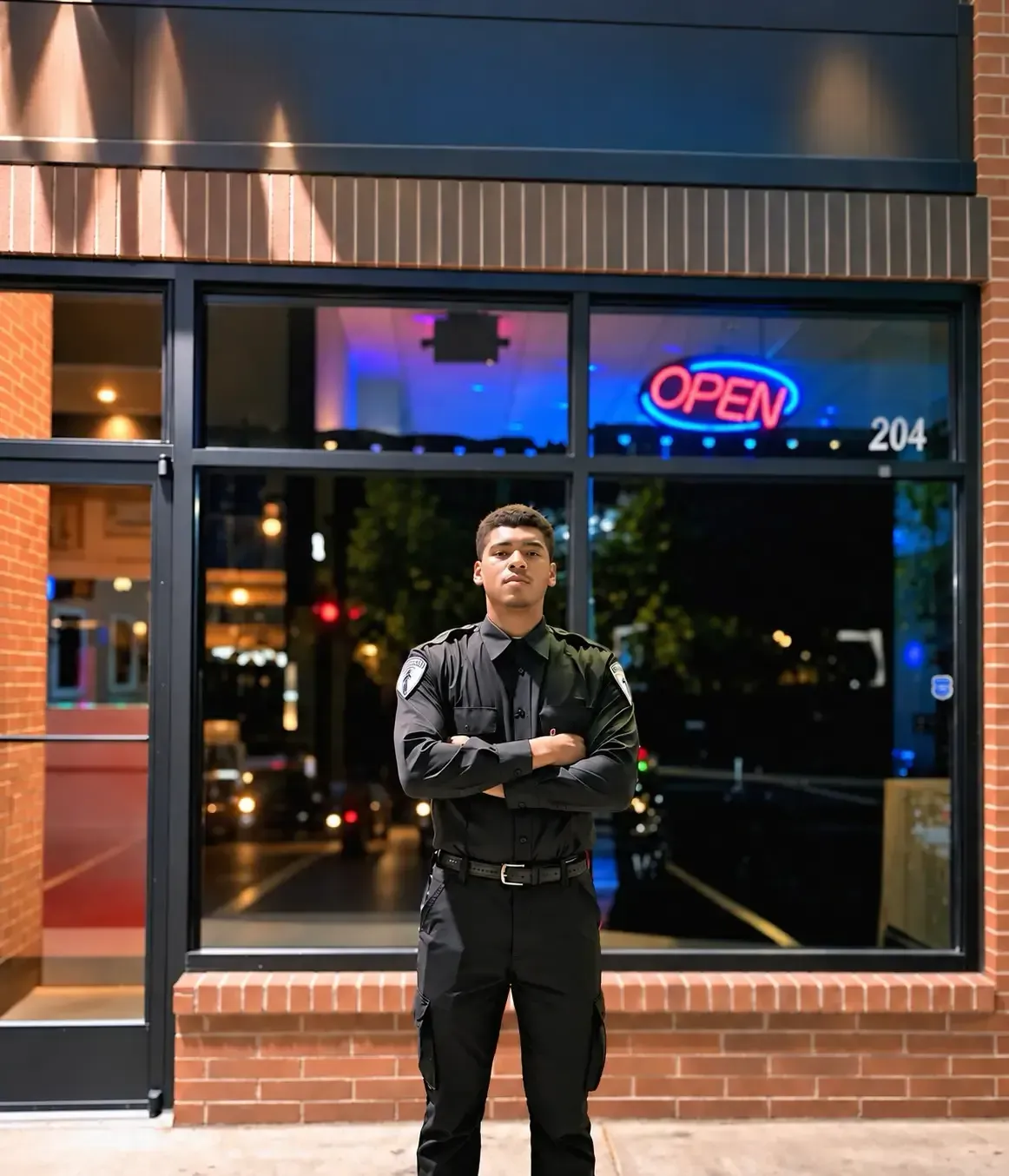
Residential Security Patrols for HOAs
Residential Security Patrols for HOAs and Neighborhoods: Armed vs. Unarmed, Costs and What to Expect

When break-ins, package theft, speeding, or suspicious cars start showing up in neighborhood group chats, HOA boards and community managers are usually the ones asked to do something about it. A professional security patrol is one of the most direct answers: a trained, uniformed officer who is visible, documents what they see, and can respond when something looks wrong.
But the decisions that come next are not obvious. Should the officers be armed or unarmed? How often should they patrol? What will it cost per month, and what will your residents actually notice? This guide walks through each question so your board can make a confident choice.
What a Residential Security Patrol Actually Does
A residential patrol places a security officer in your community on a set schedule, either on foot, in a marked vehicle, or both. Depending on the contract, an officer may:
- Patrol streets, parking areas, common areas, clubhouses, and pools
- Check entrances, gates, and perimeter fencing
- Deter trespassing, vandalism, and vehicle break-ins by being visible
- Respond to resident reports and suspicious activity
- Enforce community parking and access rules, if your board authorizes it
- Write incident reports and daily activity logs
- Contact police, fire, or EMS when the situation calls for it
Patrols are not a replacement for law enforcement. Officers observe, deter, document, and report. That documentation is often just as valuable as the deterrent effect, because it gives the board a record of what is really happening in the community.
Armed vs. Unarmed Security Officers: How to Choose
This is the question boards ask first, and the right answer depends on your community's actual risk, not on what feels strongest.
When unarmed officers make sense
Unarmed officers are the right fit for most residential communities. They provide a visible, professional presence that deters opportunistic crime, and they are trained to observe, report, de-escalate, and call for help. If your concerns are things like trespassing, after-hours amenity use, parking problems, vandalism, or general peace of mind, unarmed patrols usually cover it.
When armed officers are worth considering
Armed officers are typically considered where the risk is higher or the stakes are different:
- A pattern of violent crime or serious property crime in or near the community
- Large or high-value properties, estates, or gated communities with significant assets
- Late-night or overnight coverage in isolated areas where police response may take time
- Situations where residents are specifically asking for the highest level of deterrence
Armed coverage comes with real tradeoffs. Rates are higher, officers must meet additional licensing and training requirements under state law, and your board should talk with its insurance agent before making the change. Armed coverage can affect your community's liability picture and policy terms, so get that conversation done before signing a contract.
A practical middle path
Many communities start with unarmed patrols and add armed coverage only for specific shifts or incidents. Others mix the two: unarmed daytime and evening patrols, with armed officers overnight. A good provider will help you match coverage to your actual incident history instead of pushing the most expensive option.
What to Expect When You Hire a Patrol Company
A well-run engagement usually follows a clear sequence:
- A site assessment. The provider walks the property, talks with the board or manager, and reviews your incident history.
- A written proposal. It should spell out coverage hours, officer type, patrol duties, reporting, and pricing.
- Assigned officers. Ideally the same small group of officers, so they learn your community and your residents learn them.
- Clear reporting. Daily logs and incident reports that the board can review.
- Ongoing management. A point of contact who handles scheduling issues, complaints, and adjustments.
Expect the first few weeks to include some tuning. Patrol times, routes, and focus areas often shift once officers see when and where problems actually occur.
Questions to Ask Before You Sign
- Are your officers licensed and, if armed, properly permitted under state law? Can I see documentation?
- What training do officers receive, and how often is it refreshed?
- What insurance does your company carry, and can you name our community as an additional insured?
- How do you handle reporting, and how quickly will we receive incident reports?
- Will we have consistent officers assigned to us?
- What happens if an officer calls out? How is coverage replaced?
What to Expect When You Hire a Patrol Company
A well-run engagement usually follows a clear sequence:
- A site assessment. The provider walks the property, talks with the board or manager, and reviews your incident history.
- A written proposal. It should spell out coverage hours, officer type, patrol duties, reporting, and pricing.
- Assigned officers. Ideally the same small group of officers, so they learn your community and your residents learn them.
- Clear reporting. Daily logs and incident reports that the board can review.
- Ongoing management. A point of contact who handles scheduling issues, complaints, and adjustments.
Expect the first few weeks to include some tuning. Patrol times, routes, and focus areas often shift once officers see when and where problems actually occur.
Frequently Asked Questions
Can security officers make arrests?
Private security officers generally have the same limited authority as a private citizen. Their role is to deter, observe, document, and contact law enforcement.
Do residents need to do anything?
Not much. It helps to let residents know when patrols start, what officers will and will not do, and who to call to report a concern.
Is a patrol worth it if we already have cameras?
Cameras record what happened. Officers can be present when it happens and respond in the moment. Many communities use both.
How quickly can patrols start?
That depends on the scope and staffing, but a straightforward patrol is typically easier to launch than a large multi-post contract. Ask your provider for a realistic timeline.
Talk to Ranger Security About Your Community
Ranger Security provides residential security officers, armed and unarmed, for homeowner associations, neighborhoods, and private residences across Maryland, Washington DC, Northern Virginia, and Central Florida. Our management team works with each client to build coverage around their needs, and every active officer receives annual training.
If your board is weighing a patrol, we are glad to talk through your situation and provide a free estimate.
- Maryland, DC and Virginia: 301-519-0335
- Central Florida: (407) 267-8561
- Request an estimate: https://www.rangersecurity.biz/contact-us
You might also like